The Great Rotation: Decoding the Bitcoin to Ethereum Capital Rotation


A seismic shift is underway. We’re dissecting the data, following the money, and asking the big question: Is the crypto kingdom about to crown a new king?
Let’s cut to the chase. Something significant is happening in the cryptocurrency market, and it’s not just the usual daily price swings. We’re witnessing a clear, dramatic, and, frankly, undeniable **Bitcoin to Ethereum capital rotation**. For weeks, the smart money, the institutional giants, and even long-dormant whales have been making their moves. It’s a multi-billion dollar pivot that’s happening right before our eyes. This isn’t just noise; it’s a signal. This article will dissect the hard evidence, explore the fundamental drivers behind this trend, and analyze what it all means for the future of your portfolio and the entire digital asset landscape.
The Evidence: A Market Shift in Plain Sight
You don’t need to be a seasoned analyst to see the writing on the wall. The data is screaming from the rooftops. When you see billions of dollars moving with such clear directionality, it’s time to pay attention. This isn’t a retail-driven fad; this is a calculated, strategic reallocation of capital.

The ETF Bloodbath and Bonanza: Following the Institutional Money
If you want to know where the big players are placing their bets, look no further than Exchange-Traded Funds (ETFs). These are the primary, regulated vehicles for large-scale investment, and the numbers from this past month tell a fascinating story. It’s a tale of two wildly different outcomes.
In August 2025, we witnessed a staggering **$751 million in net outflows from U.S. Bitcoin ETFs**. Let that sink in. Three-quarters of a billion dollars were pulled out by institutional investors. But where did that money go? It didn’t just vanish into thin air. During that same period, the newly launched Ethereum ETFs saw an almost unbelievable **$4 billion in net inflows**.
This isn’t just a small preference tilt. This is a market-wide shunning of one asset in favor of another on an institutional scale. It’s one of the clearest signals we’ve ever had of a fundamental shift in institutional sentiment. They are voting with their dollars, and the verdict is overwhelmingly in favor of Ethereum, at least for now.
Waking the Whale: The $4 Billion Ethereum Shopping Spree
As if the ETF data wasn’t convincing enough, a legendary market participant just woke up from a seven-year slumber to make one of the largest single-player moves we’ve seen. A Bitcoin whale, an entity that has held its BTC since the distant past of 2018, suddenly became active.
Over just a few days, this whale systematically sold off a portion of its vast Bitcoin holdings. And what did it do with the proceeds? It went on an Ethereum shopping spree, acquiring approximately **886,371 ETH**. At current market prices, that’s a jaw-dropping **$4 billion** investment. Think about that. This isn’t a trader trying to catch a short-term trend. This is a long-term, sophisticated holder making a strategic, long-term reallocation from the original cryptocurrency to its closest competitor. It’s a move that speaks volumes about their conviction in Ethereum’s future.
A Tale of Two Charts: Price Action and Market Sentiment
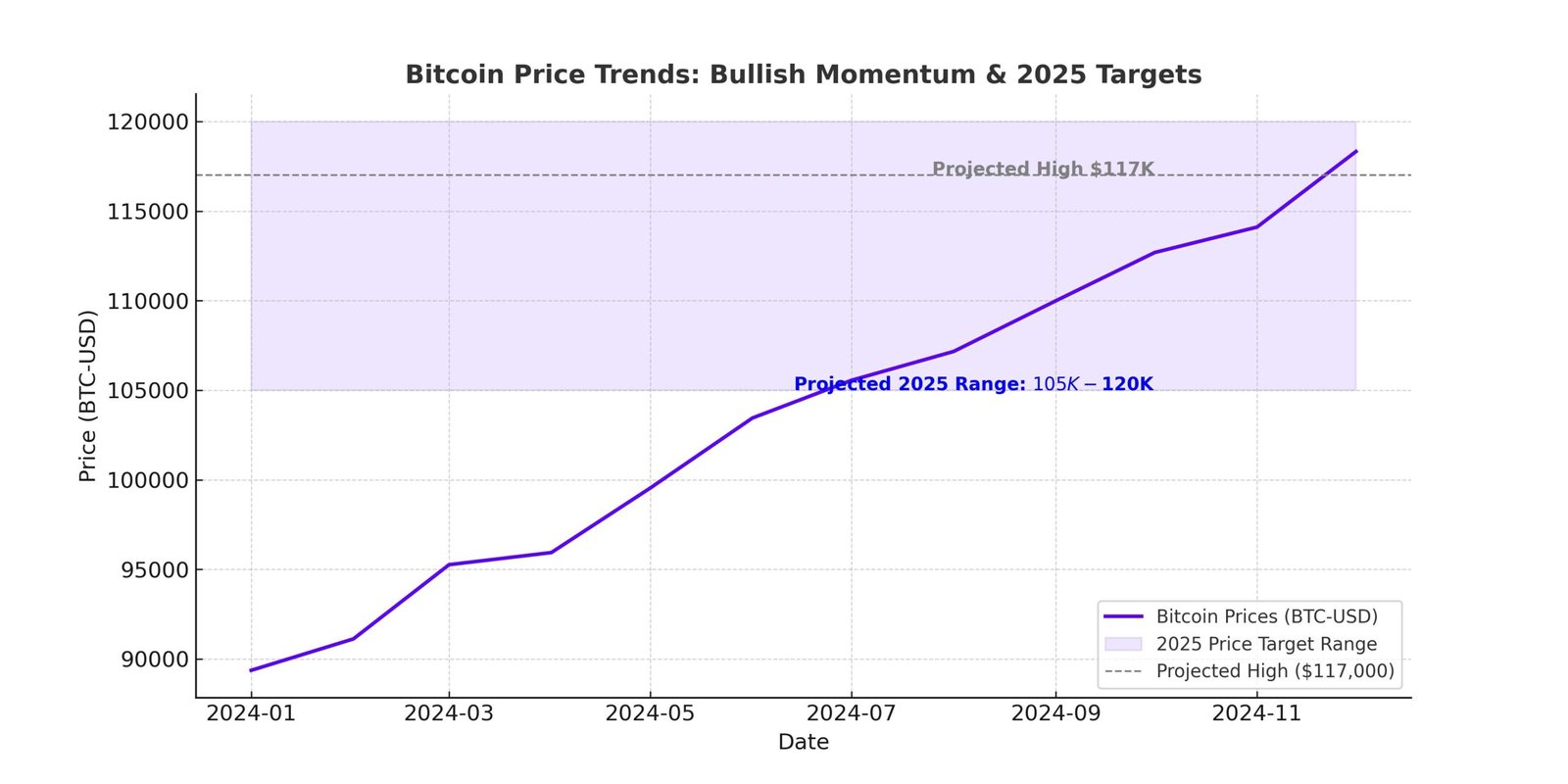
The price charts mirror this narrative perfectly. While Bitcoin has been struggling, showing weakness and fighting to hold key support levels around the $108,000 – $110,000 range, Ethereum has displayed remarkable resilience. Despite market-wide volatility that has shaken other assets, ETH has confidently maintained its position around $4,300.
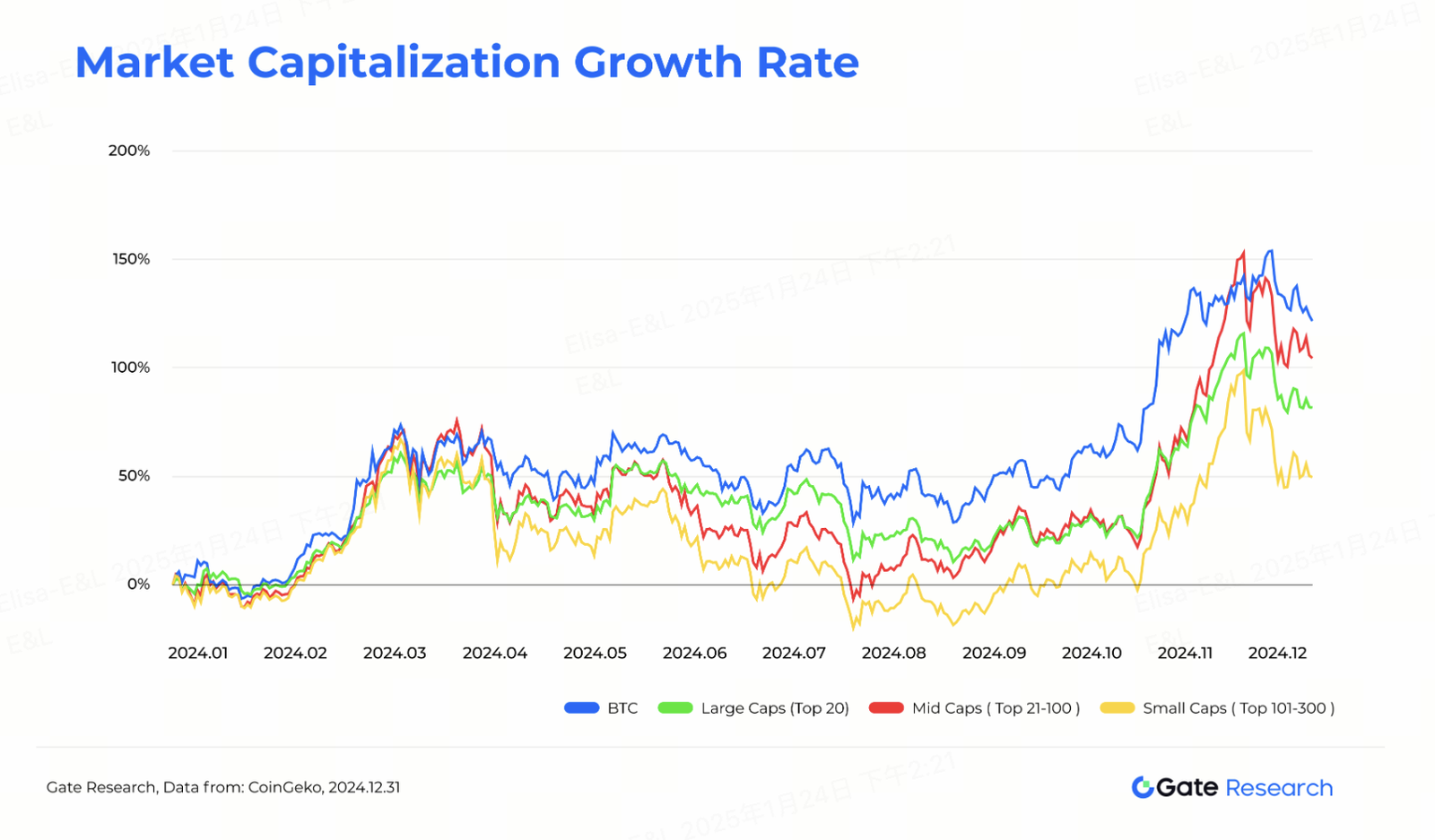
This relative strength is a classic sign of capital inflow. As money rotates from BTC to ETH, it creates buying pressure for Ethereum while creating selling pressure for Bitcoin. This divergence is also fueling the growing chatter about “altcoin season.” Historically, Ethereum’s strength is the engine that pulls the entire altcoin market upwards, and right now, that engine is revving louder than it has in a long time.

Deconstructing the “Why”: Catalysts Fueling Ethereum’s Ascent
So, we’ve established the “what.” The capital rotation is real and it’s massive. Now for the more important question: *why* is this happening? It’s not just one thing, but a powerful confluence of factors—technological, economic, and narrative—that are making Ethereum the more attractive asset for investors right now.
Beyond “Digital Gold”: The Allure of a Productive Asset
For years, Bitcoin’s primary narrative has been its role as “digital gold”—a scarce, secure store of value. It’s a powerful narrative, but it’s also a passive one. You buy it, you hold it, and you hope it goes up. Ethereum, on the other hand, offers something more. It’s a *productive* asset.
ETH is the “gas” that powers a vibrant, decentralized digital economy. Every transaction, every NFT mint, every DeFi loan on the Ethereum network requires ETH. Investors are realizing they aren’t just buying a digital commodity; they are buying a stake in a decentralized world computer that generates real revenue through transaction fees. They’re investing in the foundational layer of DeFi, NFTs, Web3 gaming, and DAOs. It’s like buying shares in the internet itself back in the late 90s.
The Staking and Restaking Flywheel: A Supply Shock in the Making
The transition to Proof-of-Stake was a game-changer. A massive and growing portion of the total ETH supply is currently staked by validators to secure the network. In return, they earn a yield. This has two profound effects. First, it creates a native, low-risk return for holding ETH, making it a yield-bearing asset akin to a digital bond. Institutions love yield.
Second, and perhaps more importantly, every ETH that is staked is effectively removed from the circulating supply. This creates a continuous “supply shock,” reducing the amount of ETH available on the open market and dampening potential sell pressure. Now, we’re seeing the rise of “liquid restaking” protocols like EtherFi, which add another layer of utility and demand. This flywheel effect—where staking reduces supply and increases demand for yield—is an economic model that Bitcoin simply cannot match.
The Future is Programmable: Smart Contracts, RWAs, and AI
Ultimately, Ethereum’s biggest advantage is its programmability. As the world’s premier smart contract platform, it’s positioned to capture the biggest trends of the next decade. The tokenization of Real-World Assets (RWAs)—things like real estate, stocks, and bonds—is a multi-trillion dollar opportunity, and Ethereum is the leading platform to build it on. Furthermore, visionaries are already exploring the integration of AI with smart contracts, creating autonomous economic agents that will live on the blockchain. Where will they live? Most likely, on Ethereum.
The Ripple Effect: What This Rotation Means for the Broader Crypto Market
This major shift between the two titans of crypto doesn’t happen in a vacuum. The shockwaves are felt across the entire market, creating both opportunities and new dynamics that every investor needs to understand.

A Precursor to Altcoin Season?
It’s a classic pattern. First, Bitcoin moves. Then, capital rotates from Bitcoin to Ethereum. Finally, the profits and confidence from a strong Ethereum performance cascade down into the broader altcoin market. We are seeing this play out right now. The strength in Ethereum is acting as a catalyst, breathing life into other Layer-1s like Solana (SOL) and even riskier assets like memecoins. The renewed buzz around memecoins is a key sign of returning retail risk appetite, often sparked by a bullish market leader like Ethereum setting the tone.
The Counter-Argument: Why Bitcoin Maximalists Aren’t Worried
Of course, it’s important to maintain a balanced perspective. This isn’t the end of Bitcoin. Far from it. Bitcoin maximalists would argue that this is all just short-term noise. They point to major institutions like MicroStrategy, which are continuing their relentless Bitcoin accumulation strategy, viewing any price dip as a prime buying opportunity. They argue that Bitcoin’s value proposition is entirely different. It is a pure, decentralized, and unchangeable monetary asset. It doesn’t aim to be a world computer; it aims to be the world’s best money. In their view, Ethereum’s complexity, its constant evolution, and its more “corporate” feel are vulnerabilities, not strengths.
The Road Ahead: Navigating a New Crypto Paradigm
So, where do we go from here? The market is at a fascinating crossroads, with powerful forces pulling in opposite directions.
Short-Term Hurdles vs. Long-Term Vision
We must acknowledge the immediate headwinds. September is historically a challenging and volatile month for the crypto markets. There could be bumps in the road. However, you have to contrast this short-term uncertainty with the bold, long-term vision being articulated by Ethereum’s proponents. Ethereum co-founder Joseph Lubin recently made headlines by reiterating his belief that ETH could “increase 100x” and eventually surpass Bitcoin in market capitalization. While such predictions should be taken with a grain of salt, they reflect the immense optimism surrounding Ethereum’s potential.
Conclusion: A Changing of the Guard or a Temporary Tilt?
Let’s circle back to our original question. The **Bitcoin to Ethereum capital rotation** is undeniably real, backed by billions of dollars in verifiable flows. It’s driven by a potent combination of Ethereum’s superior utility as a productive, yield-bearing asset and its central role in the future of a decentralized internet. But is this a permanent changing of the guard, the “flippening” that has been discussed for years, finally coming to fruition? Or is it simply a cyclical rebalancing in a highly dynamic and ever-evolving asset class?
Honestly, it might be a bit of both. We may be entering a new paradigm where Bitcoin solidifies its role as the digital reserve asset—the stable foundation—while Ethereum becomes the high-growth technology platform, the engine of Web3 innovation. The two may not be direct competitors but rather complementary assets serving different purposes in a mature digital economy. One thing is certain: the crypto market is growing up, and the simple “Bitcoin is king” narrative is no longer enough. The smart money knows it, and now, so do you.